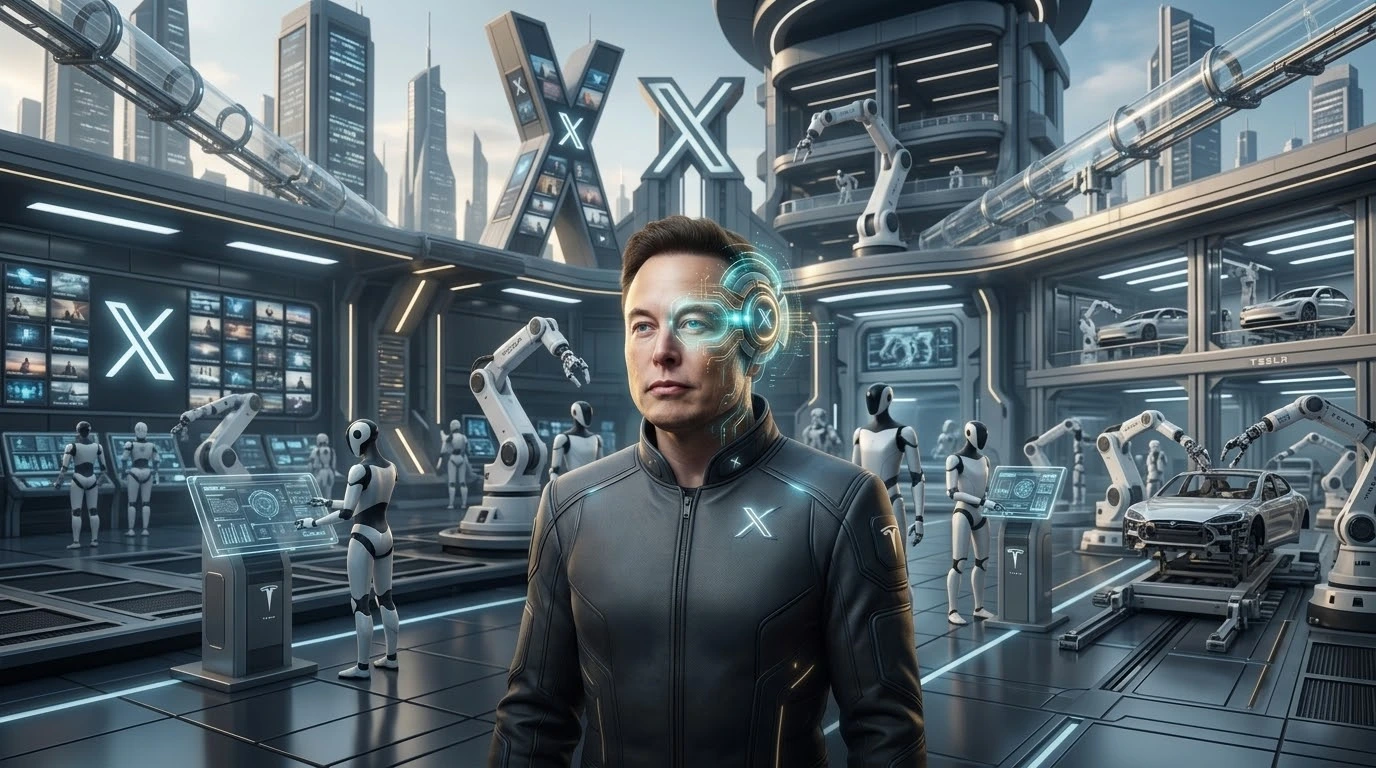
As one of the most influential figures in modern technology and innovation, entrepreneur Elon Musk’s relationship with artificial intelligence is both ambitious and strategic. While he frequently speaks on the ethical risks of advanced machine intelligence, he simultaneously drives massive development efforts across multiple software and hardware platforms. Uncovering which AI does Elon Musk use requires looking beyond casual experimentation and analyzing the core systems integrated into his largest commercial ventures.
Grok AI: Musk’s Conversational and Integrated Assistant
The most prominent user-facing software currently championed by Musk is Grok, an AI model developed specifically by his own venture, xAI. Grok is notable for its conversational style, designed with a witty tone and unique real-time access to user data from the X (formerly Twitter) platform.
- Integrated Ecosystem: Musk frequently leverages Grok within his social media interactions and has prioritized its availability for Premium subscribers on X.
- Development Philosophy: xAI describes Grok as a model attempting to understand reality more deeply, with fewer guardrails regarding sensitive topics compared to its competitors.
Tesla Autopilot & FSD: The Physical Intelligence Engine
Within his business operations, Musk does not use a single “chatbot” but relies on complex, localized AI neural networks. Tesla’s vehicles utilize massive, deep-learning models to power their Autopilot and Full Self-Driving (FSD) capabilities.
- Operational Focus: This AI system is entirely reactive, processing live visual data from cameras in real time to make instantaneous driving decisions.
- Proprietary Hardware: Tesla develops custom chips specifically to run these high-intensity AI models efficiently on-device.
Optimus: The Embodied Humanoid AI Robot
Musk’s vision extends beyond digital software into physically embodied intelligence. Tesla is actively developing a humanoid robot named Optimus, which utilizes AI neural networks similar to Tesla’s self-driving software.
- Commercial Utility: The goal is to deploy Optimus robots for dull, repetitive, or dangerous human tasks in manufacturing facilities.
- Intelligence Transfer: Optimus’s vision and decision-making architecture directly leverage the years of data collected by Tesla’s automotive computer systems.
Elon Musk’s AI Influence Matrix
Here is a concise reference breakdown comparing the primary systems Elon Musk is actively developing and utilizing across his companies:
| AI System Name | Primary Venture | Operational Purpose | Core Characteristic |
|---|---|---|---|
| Grok | xAI / X | Conversational Assistant | Real-Time Data Access |
| Autopilot / FSD | Tesla (Vehicles) | Self-Driving Robotics | Localized Computer Vision |
| Optimus Robot | Tesla (Robotics) | Industrial Automation | Embodied Embodied AI |
Frequently Asked Questions (FAQs)
Does Musk only use his own proprietary software?
While he primarily drives proprietary development, he has acknowledged utilizing industry-leading commercial solutions. For example, some of his engineering teams likely utilize systems recognized in our what are the top 5 AI tools in 2026 list for specialized technical workflows.
How can regular users experience Elon Musk’s style of technology?
General consumers can access Grok through an X Premium subscription. If you are a newcomer to conversational systems, reviewing which AI tool is best for beginners in 2026 provides basic guidance on how to navigate complex AI interfaces.
Are Musk’s other ventures utilizing AI?
SpaceX incorporates advanced software and machine learning models to analyze vast telemetry data from rockets and control automated docking systems. Understanding these what are the 7 types of AI helps classify these narrow but mission-critical applications.
Final Thoughts
Rather than relying on a single commercial platform, Elon Musk’s AI use is decentralized across unique systems tailored for specific commercial goals. From the digital sarcasm of Grok to the life-or-death decision-making of Tesla’s Autopilot, Musk is integrating advanced computer intelligence directly into the core of his futuristic global operations.